Enhanced Leadership Team Alignment and Cohesion
Implementing 360-degree feedback across an entire leadership team creates unprecedented alignment and cohesion among senior executives. When leaders undergo assessment simultaneously, they develop a shared understanding of organizational expectations, values, and performance standards. This collective experience fosters improved communication and collaboration at the highest levels of the organization. peoplebox
Research demonstrates that leadership teams utilizing comprehensive 360 feedback report 30% better collaboration and significantly improved strategic alignment. The process enables leaders to recognize interdependencies, understand how their individual behaviors impact colleagues, and develop complementary skill sets that strengthen the overall team dynamic. tmi
The shared experience also creates accountability among peers. Leaders become more conscious of their behaviors knowing their colleagues are undergoing similar scrutiny and development. This peer accountability drives faster behavior change and creates a culture where continuous improvement becomes the norm rather than the exception. peoplebox
Comprehensive Organizational Culture Transformation
360-degree feedback for entire leadership teams serves as a powerful catalyst for organizational culture change. Unlike individual assessments that create isolated pockets of improvement, team-wide implementation demonstrates organizational commitment to transparency, continuous learning, and evidence-based development. niagarainstitute
Organizations implementing comprehensive leadership team assessments report remarkable cultural shifts. 82% of organizations using 360-degree feedback across leadership teams report improved leadership performance, with corresponding increases in employee engagement and organizational effectiveness. The process establishes a feedback-rich culture where open dialogue, constructive criticism, and growth-oriented conversations become standard practice. leadbeeleadership
The impact extends beyond the C-suite. When employees observe their leaders actively seeking feedback and demonstrating vulnerability in their development journey, it cascades throughout the organization, creating psychological safety and encouraging similar behaviors at all levels. forbes
Strategic Business Impact and Measurable ROI
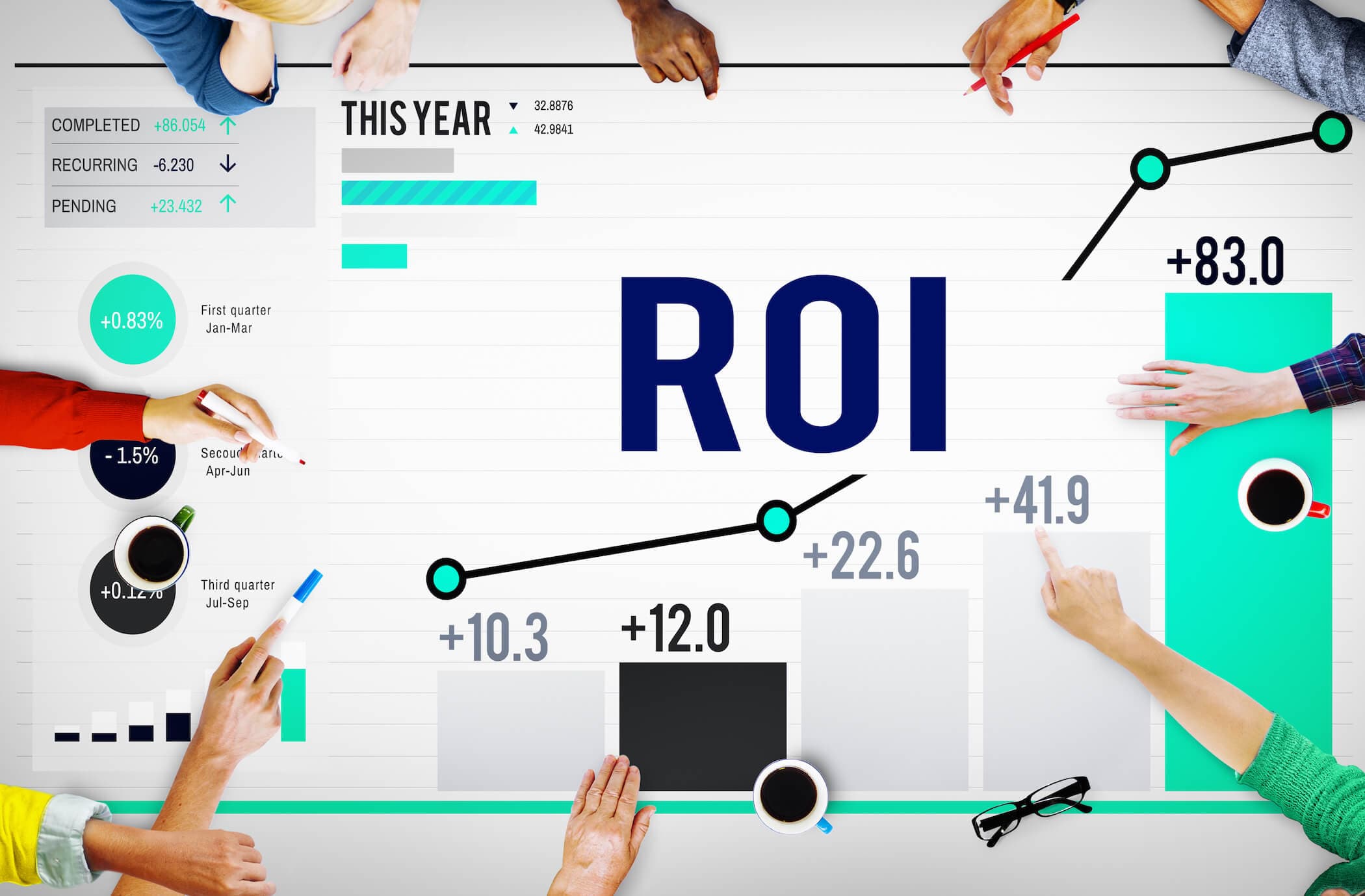
The business case for implementing 360 feedback across leadership teams is compelling, with organizations reporting substantial returns on investment. Companies utilizing comprehensive leadership team assessments experience 14% increases in employee engagement and 16% improvements in retention rates. More significantly, organizations report 30% increases in productivity and 25% improvements in customer loyalty when leadership development is approached systematically. smart-360-feedback
The financial impact is equally impressive. Research indicates that organizations with highly effective leadership teams—developed through comprehensive 360 processes—achieve 21% higher profitability. The ROI extends beyond immediate performance gains to include reduced turnover costs, decreased recruitment expenses, and improved succession planning capabilities. executiveexcellence
Companies like Microsoft and Adobe have demonstrated the transformative power of comprehensive leadership assessment. Microsoft's shift to continuous 360 feedback across its leadership team resulted in 10% increases in employee satisfaction and 25% improvements in team project efficiency. Similarly, Adobe's leadership-wide implementation led to 30% increases in employee engagement and 14% improvements in productivity. blogs.psico-smart
Identification and Development of Hidden Leadership Potential
One of the most significant advantages of comprehensive leadership team assessment is its ability to identify and develop hidden leadership potential across the organization. Traditional single-source evaluations often miss high-potential employees who don't necessarily capture their immediate supervisor's attention but demonstrate exceptional capabilities when viewed from multiple perspectives. qualtrics
360-degree feedback reveals these "gem-like performers" by incorporating peer and subordinate perspectives, creating robust internal talent pipelines that reduce recruiting costs and facilitate seamless succession planning. Organizations report 20% increases in internal promotions following comprehensive leadership assessment implementation, demonstrating the process's effectiveness in identifying and nurturing future leaders. smart-360-feedback
The multi-perspective approach also helps organizations understand leadership effectiveness across different contexts and relationships. A leader might excel in strategic thinking but struggle with team management, or demonstrate strong peer relationships while facing challenges with direct reports. This nuanced understanding enables targeted development that addresses specific leadership gaps. explorance
Data-Driven Leadership Development at Scale
Implementing 360 feedback across entire leadership teams generates rich organizational data that enables strategic, data-driven development decisions. Rather than relying on intuition or limited observations, organizations can identify collective leadership strengths, systematic skill gaps, and development priorities based on comprehensive feedback from multiple organizational levels. ccl
This data aggregation reveals patterns and trends that individual assessments cannot capture. Organizations can benchmark their leadership capabilities against industry standards, identify competency gaps that threaten strategic objectives, and prioritize development investments for maximum impact. The resulting insights inform succession planning, training program design, and strategic leadership initiatives with unprecedented precision. ccl
Research from the Center for Creative Leadership demonstrates that organizations utilizing aggregated 360 data for leadership development see 36% higher achievement of above-average organizational performance outcomes. This systematic approach transforms leadership development from reactive, individual-focused activities to proactive, organizationally-aligned strategic initiatives. niagarainstitute
Accelerated Behavior Change Through Peer Learning
When entire leadership teams engage in 360 feedback simultaneously, it creates powerful peer learning dynamics that accelerate individual behavior change. Leaders learn not only from their own feedback but also from observing colleagues' development journeys, sharing insights, and collaborating on improvement strategies. linkedin
The peer learning environment reduces the isolation often associated with leadership development and creates natural mentoring relationships among team members. Research indicates that leaders who participate in group-based 360 processes demonstrate faster behavior change and more sustained improvement compared to those undergoing individual assessments. executiveexcellence
This collaborative approach also addresses the challenge of reduced feedback availability at senior levels. As leaders advance in their careers, they typically receive less frequent and less meaningful feedback. Group-based 360 processes create structured opportunities for peer-to-peer feedback that continues beyond the formal assessment period. linkedin
Enhanced Decision-Making and Strategic Thinking
Comprehensive leadership team assessment significantly improves collective decision-making capabilities and strategic thinking. By understanding each team member's cognitive preferences, communication styles, and decision-making approaches, leadership teams can optimize their collaborative processes and leverage diverse perspectives more effectively. qualtrics
The 360 feedback process reveals how different leaders process information, approach problem-solving, and influence others. This understanding enables teams to assign roles and responsibilities based on individual strengths while ensuring critical perspectives aren't overlooked in strategic discussions. Organizations report improved decision quality and faster strategic implementation following comprehensive leadership team assessment. newlevelwork
The process also identifies blind spots in collective leadership thinking. When feedback reveals that an entire leadership team struggles with certain competencies—such as innovation, change management, or customer focus—organizations can address these systematic weaknesses through targeted development programs. aihr
Risk Mitigation and Succession Planning
Implementing 360 feedback across leadership teams provides crucial risk mitigation benefits by identifying potential leadership failures before they impact organizational performance. The comprehensive nature of team-wide assessment reveals leaders who may be struggling in their roles, enabling proactive intervention and support. lattice
The process also strengthens succession planning by providing detailed insights into each leader's capabilities, development needs, and potential for advancement. Organizations gain clear understanding of their leadership bench strength and can identify gaps that require external recruitment or accelerated internal development. qualtrics
Research demonstrates that organizations with robust leadership assessment and development processes experience significantly lower leadership turnover and faster recovery from leadership transitions. The comprehensive data generated through team-wide 360 feedback creates detailed succession planning documentation that ensures leadership continuity during organizational changes. surveyconnect
Implementation Best Practices for Maximum Impact
Successfully implementing 360-degree feedback across entire leadership teams requires careful planning and strategic execution. Organizations should begin by clearly articulating the purpose and expected outcomes, ensuring all stakeholders understand the developmental rather than evaluative nature of the process. ccl
Effective implementation includes:
- Clear communication about objectives and confidentiality measures aihr
- Comprehensive training for both feedback providers and recipients peoplebox
- Professional facilitation to ensure constructive feedback discussions aihr
- Structured follow-up including coaching support and progress monitoring ccl
- Integration with broader leadership development initiatives ccl
Organizations should also consider timing and cultural readiness when implementing team-wide assessments. The most successful implementations occur when organizational culture already values feedback and continuous improvement, or when leadership demonstrates clear commitment to modeling openness and growth. decisionwise
Measuring Long-Term Impact and Sustainability
The benefits of comprehensive leadership team assessment extend far beyond immediate feedback sessions. Organizations that implement robust measurement and follow-up processes report sustained improvements in leadership effectiveness, employee engagement, and business performance. surveyconnect
Key metrics for measuring success include:
- Leadership effectiveness ratings from multiple organizational levels pmc.ncbi.nlm.nih
- Employee engagement and retention statistics blogs.psico-smart
- Business performance indicators including productivity and profitability blogs.smart-360-feedback
- Succession planning metrics and internal promotion rates peoplebox
- Cultural assessment scores measuring feedback culture and psychological safety tmi
The most successful organizations treat 360 feedback as an ongoing process rather than a one-time event, conducting regular assessments to track progress and address emerging development needs. This sustained approach creates lasting cultural change and ensures continuous leadership improvement aligned with evolving organizational requirements. peoplebox
Conclusion: A Strategic Imperative for Organizational Excellence
Implementing 360-degree feedback assessments across entire leadership teams represents more than a development initiative—it's a strategic imperative for organizational excellence in today's competitive business environment. The comprehensive benefits extend from individual leader development to organizational culture transformation, creating measurable improvements in performance, engagement, and business outcomes.
The evidence is clear: organizations that invest in comprehensive leadership team assessment see significant returns through improved collaboration, enhanced decision-making, stronger succession planning, and increased employee engagement. As business complexity continues to increase and leadership challenges evolve, the ability to develop and align entire leadership teams becomes increasingly critical for organizational success.
The question for forward-thinking organizations isn't whether to implement 360-degree feedback for their leadership teams, but how quickly they can deploy these powerful assessment tools to gain competitive advantage through superior leadership development. The organizations that act decisively on this opportunity will position themselves for sustained success in an increasingly demanding business landscape.