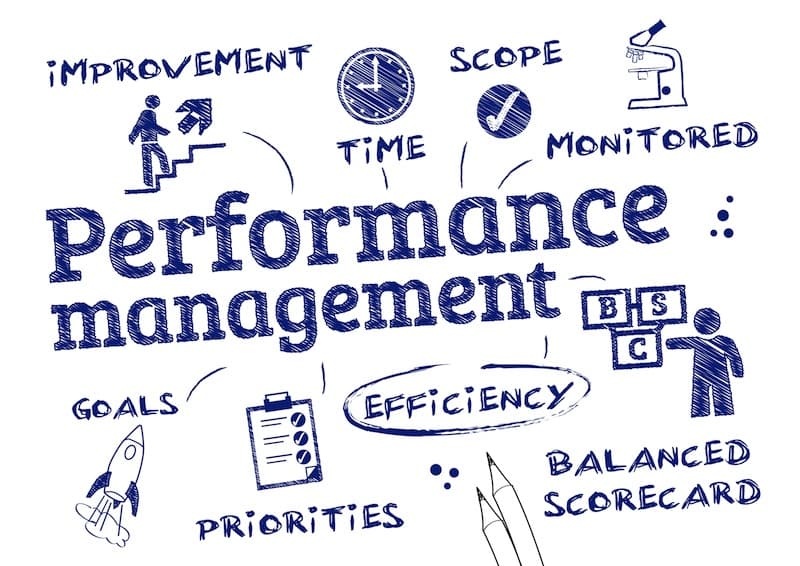
Understanding 360-Degree Feedback AssessmentsA 360-degree feedback assessment is a comprehensive performance evaluation method that gathers insights about an employee's performance from multiple sources within their professional network. Unlike traditional top-down performance reviews, this multi-rater approach incorporates perspectives from supervisors, peers, direct reports, and sometimes even external stakeholders such as clients or customers. edgetrainingsystems
The process typically involves five to ten respondents completing the same competency-based questionnaire that the employee uses for self-evaluation. This creates a holistic view of an individual's strengths, weaknesses, and areas for development across various leadership competencies. envisialearning
Key Benefits of 360-Degree Assessments for Organizations### Enhanced Self-Awareness and Leadership Development360-degree feedback dramatically increases self-awareness among leaders and managers. Research indicates that the top-ranked leaders in terms of effectiveness are also ranked in the top 10% for their willingness to ask for feedback. This enhanced self-awareness leads to more effective leadership behaviors and better decision-making capabilities. edgetrainingsystems
The feedback process helps leaders understand how their actions impact others throughout the organization. As one study found, leaders who receive 360-degree feedback show a 16% increase in overall performance, demonstrating the direct correlation between comprehensive feedback and leadership effectiveness. alignmark
Comprehensive and Unbiased Performance EvaluationTraditional performance reviews often suffer from single-source bias, but 360-degree assessments provide a more balanced and objective evaluation by capturing perspectives from multiple organizational levels. This multi-dimensional approach reduces individual bias and provides a more accurate representation of an employee's true capabilities and behaviors. envisialearning
The comprehensive nature of 360 feedback helps identify blind spots that might otherwise go unnoticed in traditional review processes. When employees receive feedback from various sources, they gain a clearer understanding of how their performance aligns with stakeholder expectations. naesp
Improved Communication and Organizational Culture360-degree feedback creates an environment of open and honest communication. Organizations that implement these systems experience improved transparency and trust among team members. The process encourages ongoing dialogue about performance and development, moving beyond annual review cycles to create a continuous feedback culture. edgetrainingsystems
Research shows that 80% of employees who received meaningful feedback described themselves as fully engaged, highlighting the strong connection between feedback and employee engagement levels. explorance## Measuring the High ROI of 360-Degree Feedback### Quantifiable Business ImpactThe return on investment for 360-degree feedback programs is substantial when measured against key organizational metrics. Organizations using 360-degree feedback report significant improvements across multiple performance indicators:
Employee Engagement and Retention: Companies implementing 360-degree feedback experience 15.9% better retention rates compared to those without such programs. This is particularly significant given that 57% of employees have left jobs specifically because of poor management. peopleelement
Leadership Effectiveness: When combined with coaching, 360-degree feedback can boost leadership effectiveness by up to 60%. This improvement directly translates to better team performance and organizational outcomes. peopleelement
Productivity Gains: Organizations with higher levels of employee engagement, often driven by effective feedback systems, report 22% increases in productivity. The correlation between feedback, engagement, and productivity creates a powerful business case for 360-degree assessments. custominsight
Cost Savings and Efficiency Improvements360-degree feedback programs generate significant cost savings through multiple channels:
Reduced Turnover Costs: With the average cost of replacing an employee ranging from 50-200% of their annual salary, the 15.9% improvement in retention rates translates to substantial cost savings. For organizations with high turnover rates, this alone can justify the investment in 360-degree feedback programs. peopleelement
Management Efficiency: Research from Accenture shows that 360-degree assessments reduced managerial time spent on performance reviews by 18%. This efficiency gain allows managers to focus more time on strategic initiatives and talent development rather than administrative review processes. smart-360-feedback
Training ROI: Studies indicate that larger organizations with highly developed leadership programs outperform their competitors 12 to 1. The 360-degree feedback process serves as a foundation for these successful leadership development initiatives. executiveexcellence
Implementation Best Practices for Maximum ROI### Strategic Planning and Goal SettingSuccessful 360-degree feedback implementation begins with clearly defined objectives. Organizations must determine whether the primary goal is leadership development, performance improvement, talent identification, or a combination of these factors. Research shows that when 360-degree assessments fail, it's usually due to poor implementation rather than flaws in the methodology itself. ccl
Best practice organizations start with the end in mind, identifying specific business problems they want to solve and how 360-degree feedback will address these challenges. This strategic alignment ensures that the feedback process directly contributes to organizational goals and measurable outcomes. impactgrouphr
Creating a Culture of Trust and Psychological SafetyTrust is essential for effective 360-degree feedback programs. Organizations must create an environment where employees feel safe providing honest feedback without fear of repercussions. This requires clear communication about the developmental nature of the process and how the data will be used. peopleinsight.co
Anonymity and confidentiality are crucial components that encourage honest, constructive feedback. When participants trust the process, the quality and accuracy of feedback significantly improve, leading to better developmental outcomes. envisialearning
Follow-Up and Action PlanningThe most successful 360-degree feedback programs include structured follow-up processes. Research indicates that feedback alone is insufficient; it must be coupled with action planning and ongoing support to drive behavioral change. multiratersurveys
Organizations should establish regular check-ins and progress tracking to ensure that feedback translates into meaningful performance improvements. This follow-up component is critical for realizing the full ROI potential of 360-degree assessments. blog.clearcompany
Industry Applications and Success Stories### Fortune 500 Adoption Rates85% of Fortune 500 companies use some form of 360-degree feedback, including industry leaders like Netflix, GE, and Facebook. These organizations have recognized the strategic value of multi-rater feedback systems for developing leadership capabilities and driving business results. performyard
Deloitte's implementation of comprehensive 360-degree feedback programs resulted in a 16% increase in employee performance and satisfaction. Similarly, companies like Starbucks have integrated 360-degree assessments to enhance team dynamics, resulting in 10% improvements in customer satisfaction. smart-360-feedback
Market Growth and Adoption TrendsThe global 360-degree feedback software market was valued at $943 million in 2023, with projections reaching $2.72 billion by 2033 at a compound annual growth rate of 11.17%. This substantial market growth reflects the increasing recognition of 360-degree feedback as a critical business tool rather than simply an HR initiative. performyard
Overcoming Common Implementation Challenges### Cultural ConsiderationsOrganizational culture significantly impacts the effectiveness of 360-degree feedback systems. Research indicates that organizations with low power distance cultures are likely to receive the most benefits from 360-degree feedback. However, with proper adaptation and cultural sensitivity, these programs can be successful across various organizational contexts. vorecol
Organizations must align their 360-degree feedback processes with existing cultural values and expectations. This includes customizing competency frameworks, communication styles, and follow-up processes to match organizational norms and values. vorecol
Technology and Platform SelectionModern 360-degree feedback platforms have streamlined the implementation process. Key considerations for platform selection include user-friendly interfaces, customization options, robust security measures, comprehensive reporting capabilities, and integration with existing HR systems. peopleinsight.co
The efficiency of modern platforms has reduced the administrative burden significantly, with many assessments taking less than 10 minutes to complete. This efficiency improvement increases participation rates while reducing survey fatigue among participants. newlevelwork
Future Trends and Continuous Improvement### Integration with Advanced AnalyticsOrganizations are increasingly integrating 360-degree feedback with broader performance indicators and business metrics. This data-driven approach allows companies to measure the tangible impact of feedback programs and adjust strategies accordingly. peopleinsight.co
AI and advanced analytics are being incorporated into 360-degree feedback analysis, providing more sophisticated insights and personalized development recommendations. These technological advances are making feedback programs more efficient and effective. peopleinsight.co
Shift Toward Continuous FeedbackThe trend is moving away from annual 360-degree assessments toward more frequent, continuous feedback cycles. Organizations are recognizing that regular feedback is more effective for driving behavioral change and maintaining high performance levels. peopleinsight.co
This shift toward continuous feedback aligns with broader performance management trends and helps organizations maintain agility in rapidly changing business environments. peopleinsight.co
Conclusion: Maximizing Your 360-Degree Feedback ROI360-degree feedback assessments represent one of the highest-return investments organizations can make in their human capital. The combination of measurable business outcomes—including improved employee engagement, enhanced leadership effectiveness, reduced turnover, and increased productivity—creates a compelling business case for implementation.
To maximize ROI, organizations must approach 360-degree feedback strategically, with clear objectives, proper implementation processes, and ongoing support systems. When executed effectively, these programs transform from simple performance management tools into powerful drivers of organizational excellence and competitive advantage.
The evidence is clear: organizations that invest in comprehensive 360-degree feedback programs see measurable returns across multiple business dimensions. As the business landscape becomes increasingly competitive, the ability to develop exceptional leaders through multi-rater feedback systems will continue to differentiate high-performing organizations from their competitors.
By implementing 360-degree feedback assessments with proper planning, cultural alignment, and continuous improvement processes, organizations can realize substantial returns on their investment while building the leadership capabilities necessary for long-term success.